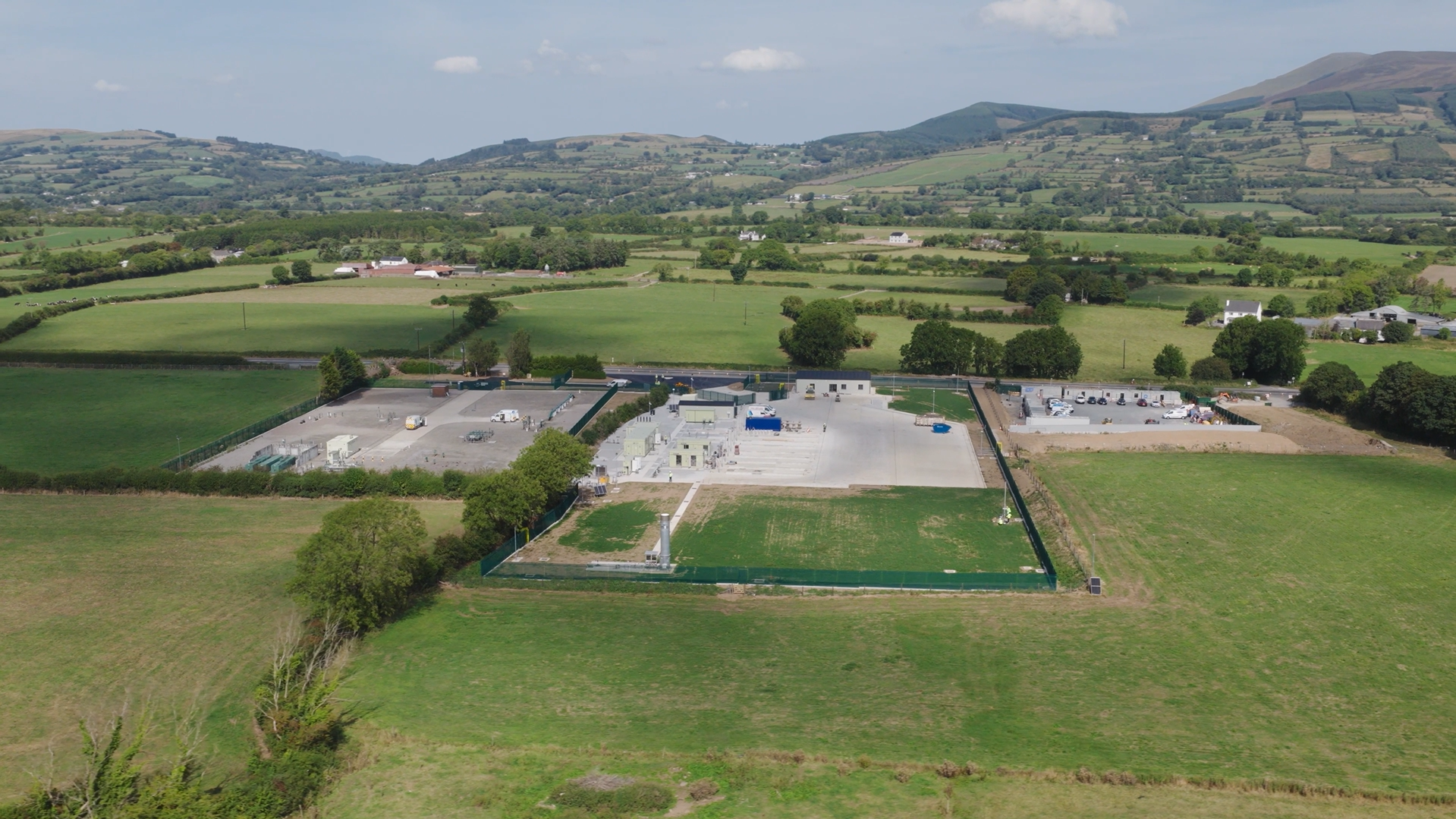
The Renewable Gas Forum Ireland (RGFI) has welcomed the opening of Gas Networks Ireland’s…
Oireachtas Report must become catalyst for biomethane delivery
Oireachtas Report must become catalyst for biomethane delivery, says RGFI
EU Presidency is a unique opportunity to demonstrate European leadership in renewable gas.
[3 July 2026] Renewable Gas Forum Ireland (RGFI), the representative industry body for Ireland’s renewable gas and circular bioeconomy sector, said this week’s Joint Oireachtas Committee on Agriculture and Food’s Report on Anaerobic Digestion marks an important milestone in Ireland’s transition from biomethane policy to delivery. However RGFI says the focus must now shift decisively from policy development to implementation and accelerated delivery.
“The publication of the Report comes at a pivotal moment for the sector, with the Renewable Heat Obligation moving into implementation and Ireland’s first commercial biomethane plants progressing towards production. The priority must now be accelerated delivery if Ireland is to achieve its target of producing 5.7 TWh of indigenous biomethane by 2030.
As Ireland holds the Presidency of the Council of the European Union, the next six months provide a unique opportunity to demonstrate European leadership in renewable gas, the circular bioeconomy and energy security” said Nick Bennett, Interim CEO of RGFI.
RGFI members are leading the development of Ireland’s commercial-scale biomethane industry, giving the Forum unrivalled practical experience of delivering the sector.
Ireland has an opportunity to become a European leader in indigenous renewable gas, but that opportunity will only be realised if investment, planning, market development and supporting policy move forward at the pace required.”
Mr Bennett added that the opportunity extends well beyond climate action.
“ A thriving biomethane sector will strengthen Ireland’s energy security, diversify farm incomes, support rural enterprise, reduce dependence on imported fossil fuels and fertilisers, and enhance national competitiveness. The opportunity is immediate, but every delay risks slowing investment decisions and making delivery of Ireland’s 2030 ambitions more difficult”.
As one of the stakeholders that gave evidence to the Committee, RGFI noted that the Report contains a number of recommendations that align with the Forum’s long-standing priorities. RGFI also believes that implementation should now be complemented by a stronger focus on market development.
“Alongside investment and production supports, Ireland now needs to create the long-term market conditions that will underpin investment. This includes expanding renewable gas demand across industrial heat, heavy transport, commercial energy usersand off-grid applications, while ensuring the transition remains affordable and competitive for businesses and consumers.”
The Forum also welcomed the Committee’s recognition of nutrient recovery and digestate as important components of the circular bioeconomy.
“Digestate should increasingly be recognised as a valuable co-product rather than simply a waste stream. Developing clear national standards and regulatory pathways will help reduce dependence on imported fertilisers, improve nutrient circularity and strengthen the commercial viability of biomethane production while supporting a more circular agricultural economy.”
Mr Bennett concluded:
” Government, industry, farming organisations, researchers and local communities all have a role to play in ensuring Ireland captures this opportunity. RGFI looks forward to continuing to work constructively with Government and the Oireachtas to help translate the Committee’s recommendations into practical action.”

Related Posts